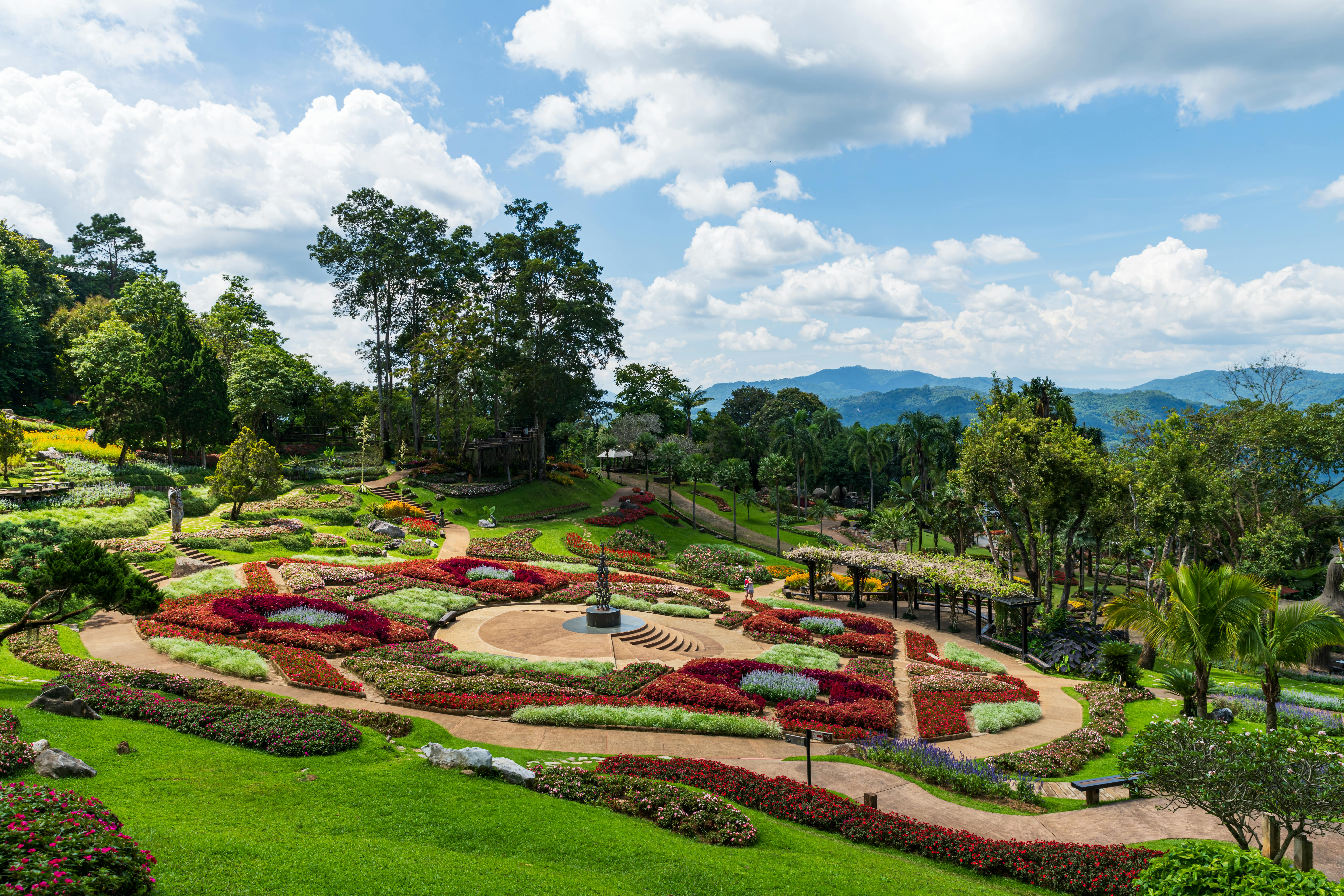
Introduction to Landscape Design
Landscape design might sound daunting, especially if you're new to the concept. However, creating a beautiful and functional outdoor space can be simpler than you think. For homeowners in Columbia, TN, understanding the basics of landscape design can transform your property into a scenic oasis. This guide breaks down the essential elements and processes of landscape design in straightforward terms.
Understanding the Basics
What is Landscape Design?
At its core, landscape design is the art of arranging or modifying the features of an outdoor area for aesthetic or practical purposes. Think of it as decorating your yard with plants, trees, paths, and other elements to create a harmonious and functional environment.
Key Elements of Landscape Design
Let's explore the fundamental components that make up landscape design:
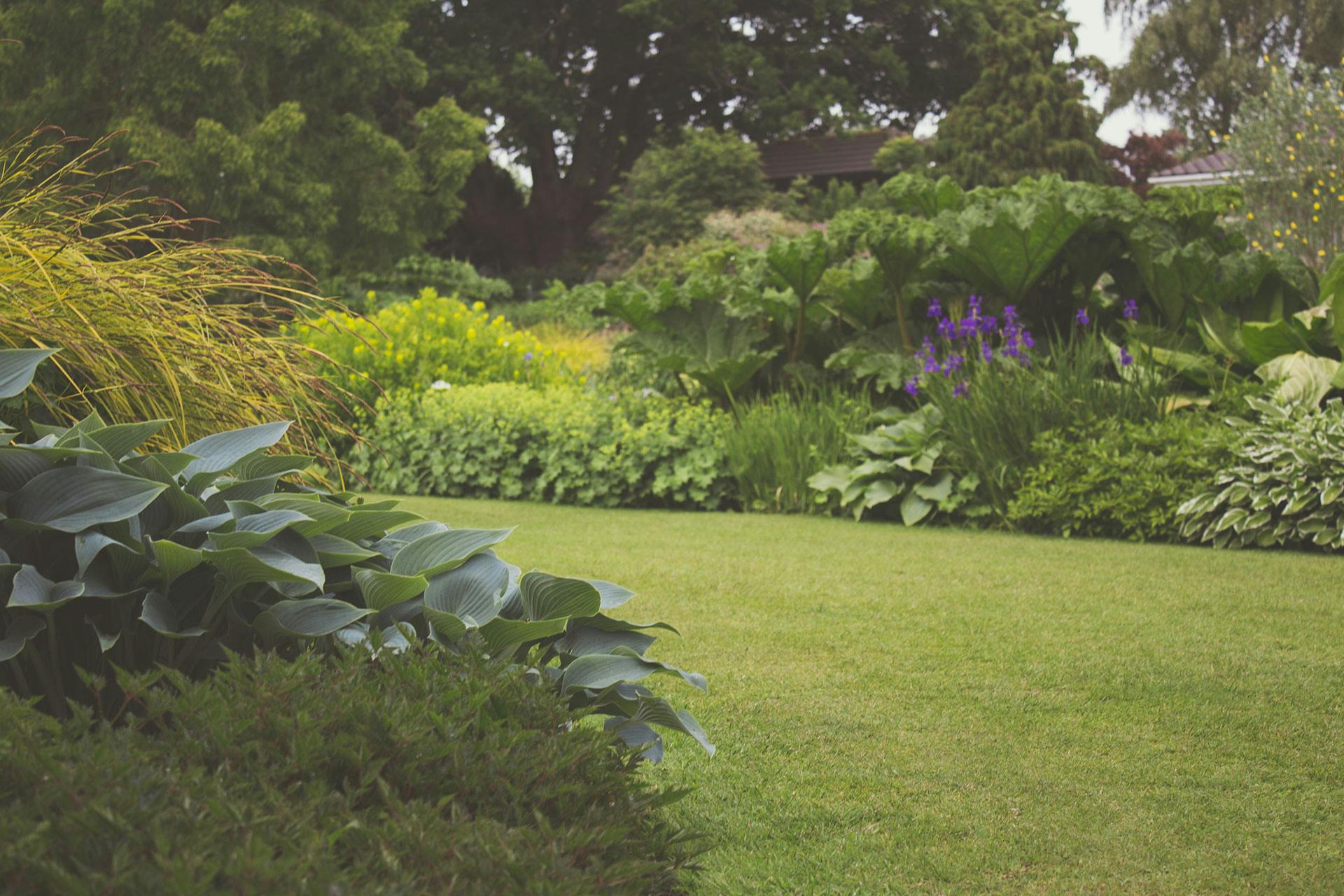
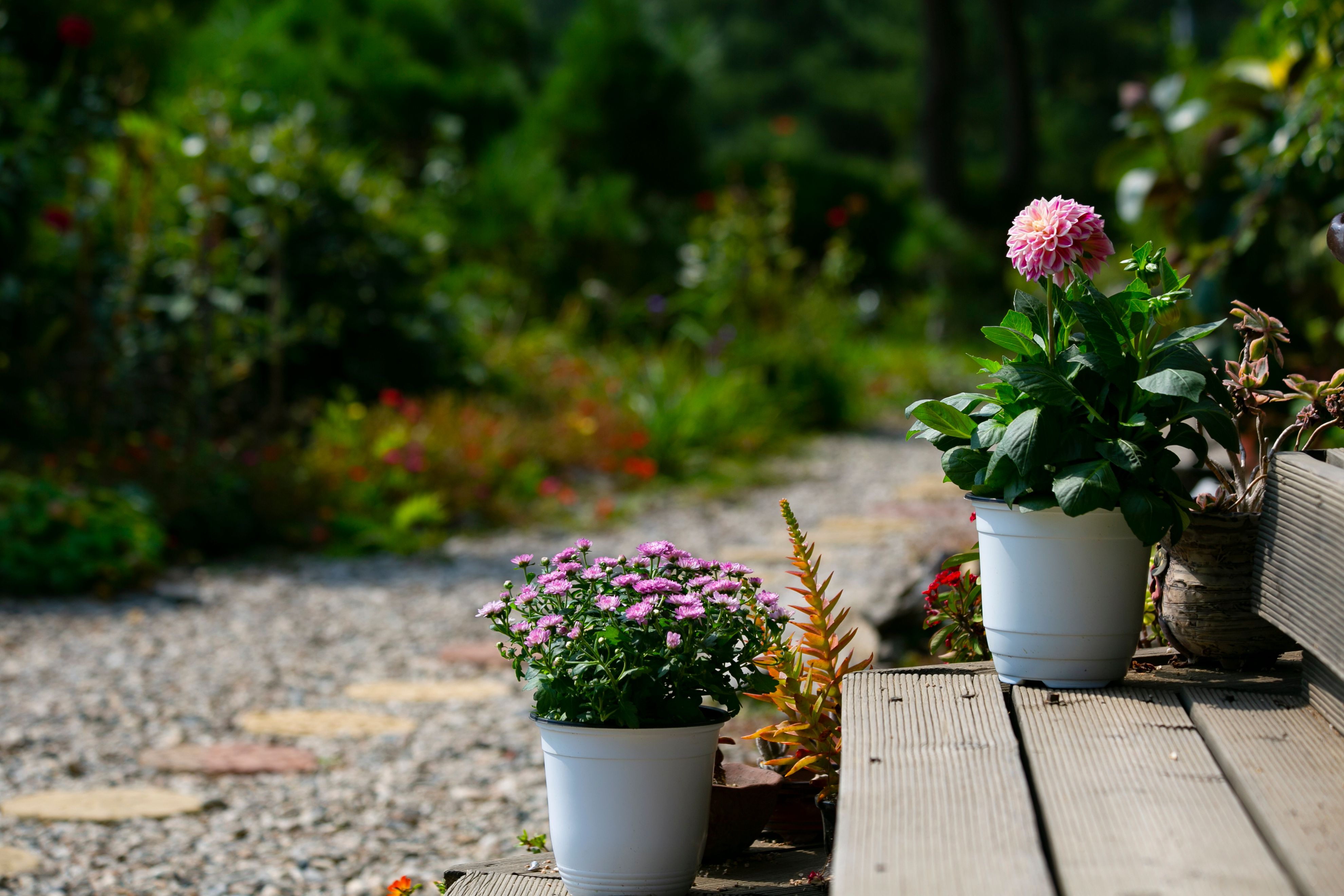
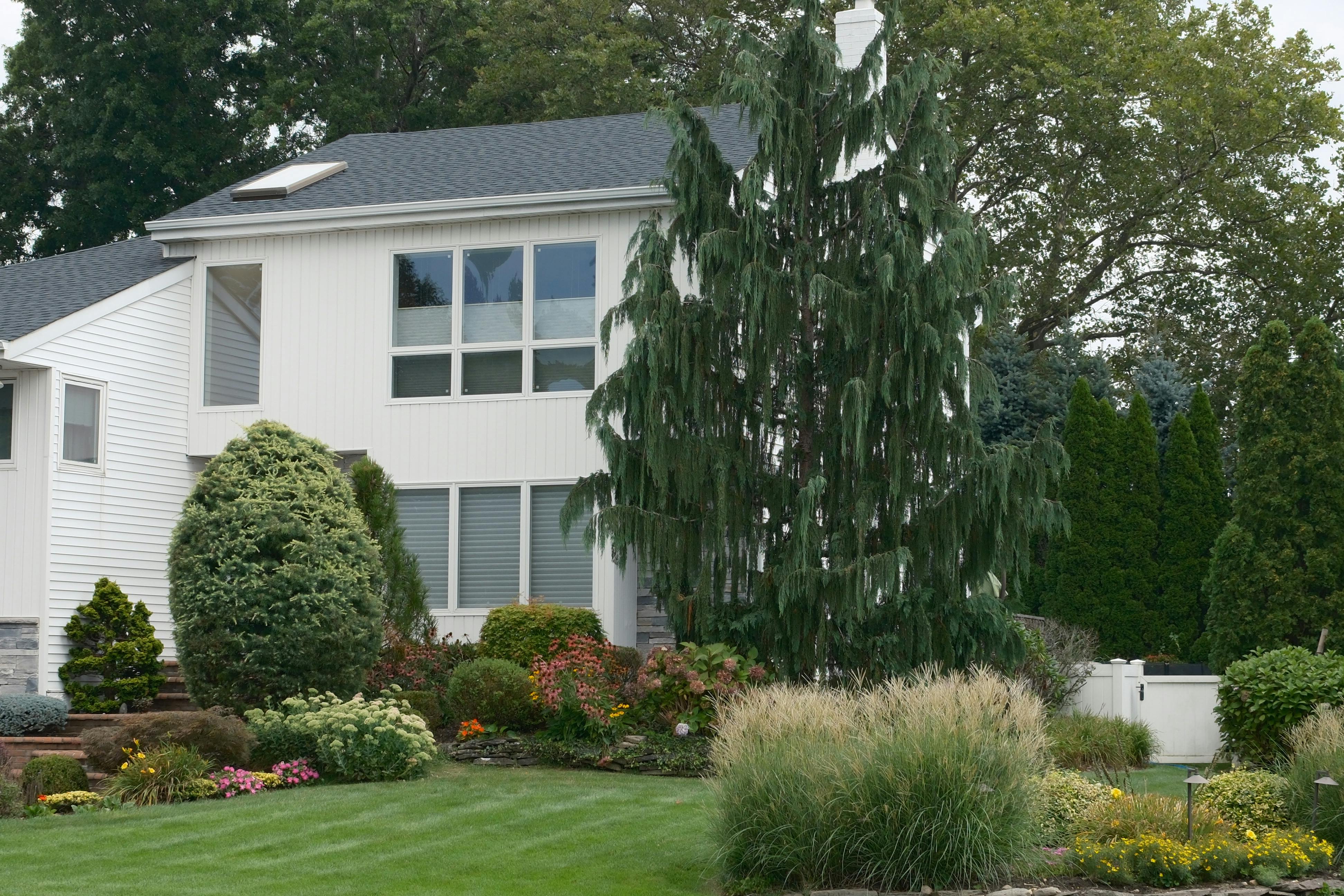
- Plants: These include trees, shrubs, flowers, and grass. Choosing the right plants involves understanding their growth patterns, maintenance needs, and the local climate.
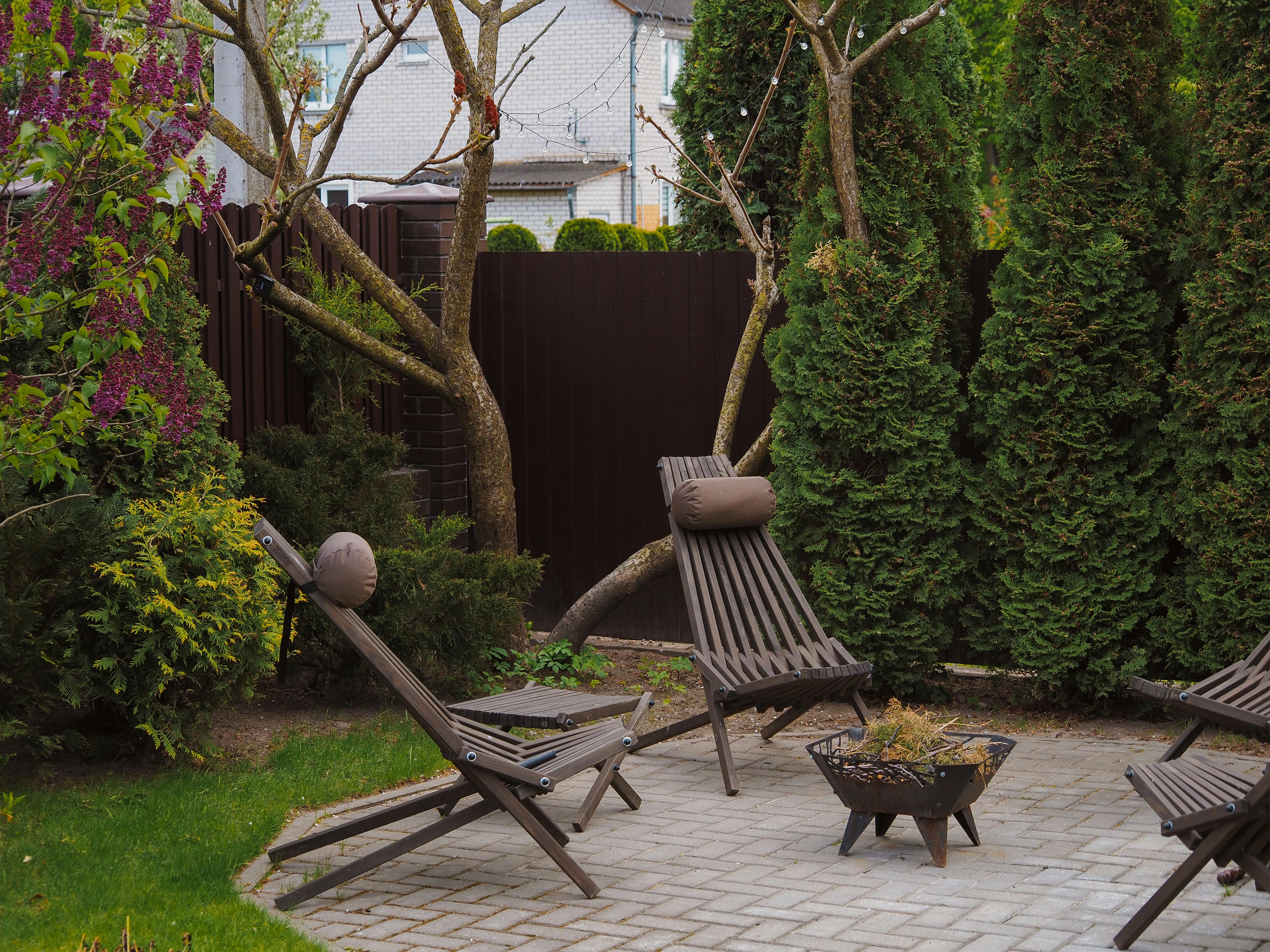
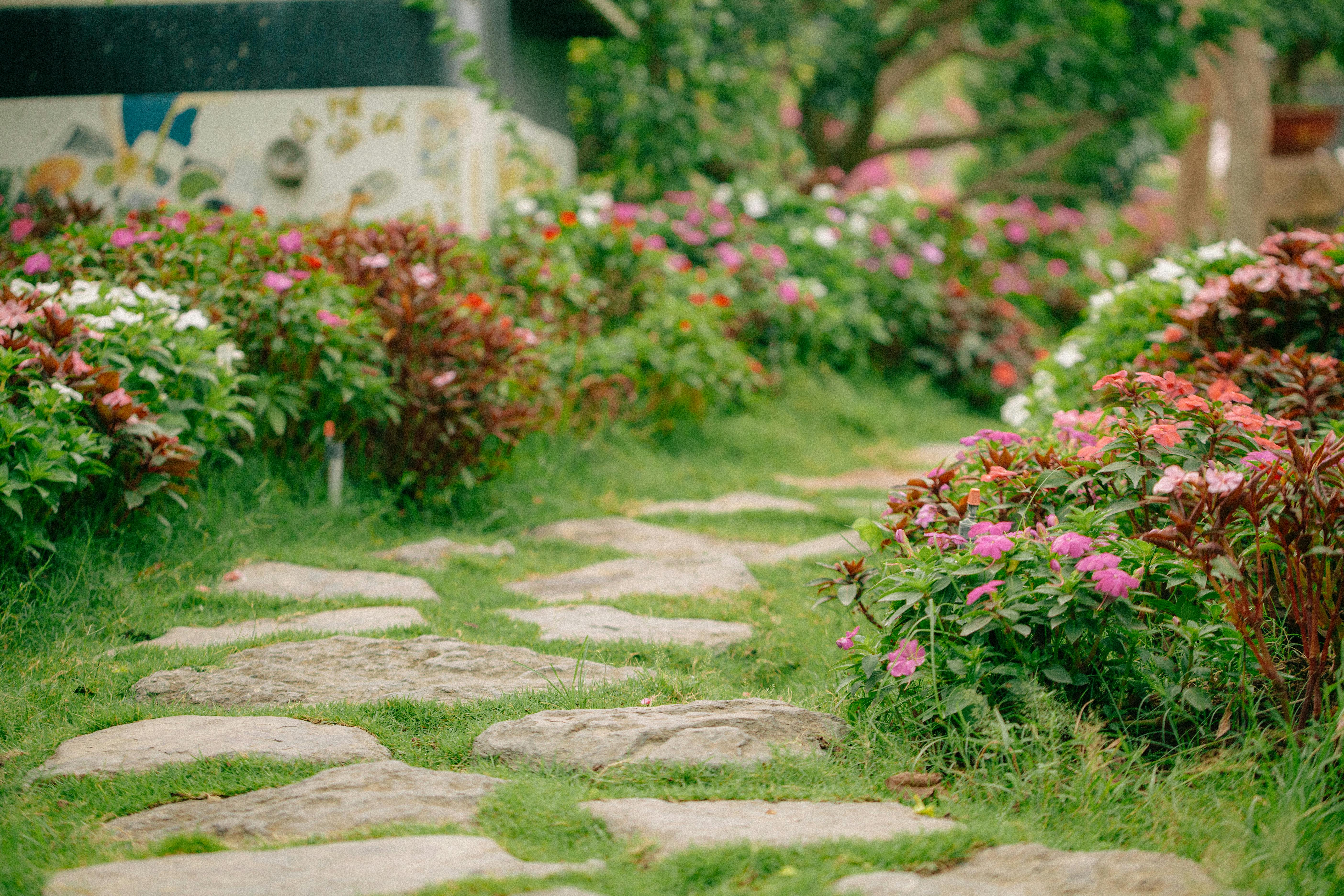
- Hardscaping: This refers to non-plant elements such as walkways, patios, and retaining walls. Hardscaping provides structure and function to your outdoor space.
- Water Features: These can range from ponds and fountains to simple birdbaths. They add tranquility and attract wildlife to your garden.
- Lighting: Outdoor lighting enhances safety and extends the enjoyment of your landscape into the evening. It also highlights features and creates ambiance.
Step-by-Step Landscape Design Process
Now that we've covered the basics, let's delve into the process of designing your landscape:
1. Assess Your Space
Start by evaluating your property. Take measurements and note existing features like trees, slopes, and structures. Consider how much sunlight different areas receive throughout the day.
2. Define Your Goals
What do you want from your landscape? Maybe you desire a play area for kids, a quiet retreat, or a space for entertaining. Clearly defining your goals will guide the design process.
3. Create a Plan
Sketch a basic layout of your yard, marking where you envision different elements. This doesn't have to be detailed—just a rough draft to help visualize the space.
4. Choose Your Plants and Materials
Select plants and materials that suit your climate, soil type, and personal preference. Native plants often require less maintenance and are more resilient in local conditions.
5. Implement Your Design
With your plan and materials in hand, begin the installation. This might involve hiring professionals for certain tasks like hardscaping or electrical work.
Common Pitfalls and How to Avoid Them
While designing your landscape, be aware of these common challenges:
- Overcrowding: Avoid planting too many species in a small area. Plants need room to grow.
- Ignoring Maintenance: Choose plants that fit your lifestyle. Low-maintenance options are best if you’re short on time.
- Neglecting Drainage: Ensure your design accommodates proper water flow to prevent flooding and erosion.
Conclusion: Bringing Your Vision to Life
Transforming your outdoor space through landscape design doesn’t have to be complex. By understanding the basic elements and following a structured process, you can create a beautiful, functional yard that enhances your Columbia, TN home. Whether you choose to tackle the project yourself or enlist professional help, the key is to start with a clear vision and adapt as you go.
For more personalized advice or assistance with your landscape design projects, consider reaching out to local experts like Rolling Stone Landscape Creations to help bring your dream garden to life.