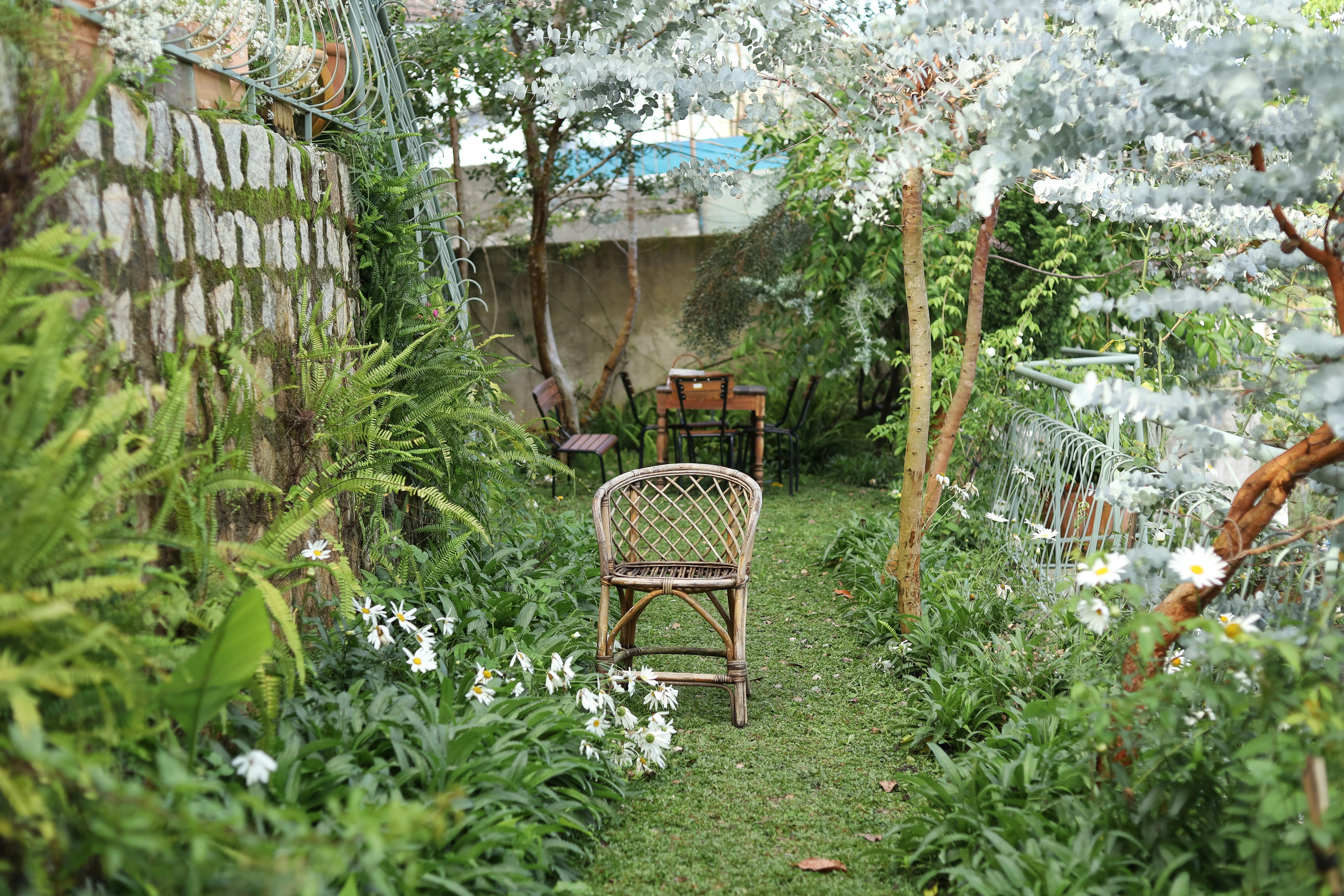
Understanding Landscape Design Basics
Embarking on the journey of landscape design can be both exciting and daunting, especially for beginners. If you are in Columbia, TN, you are in luck because the local climate and terrain offer unique opportunities for creativity and sustainability. This guide will walk you through the fundamental concepts of landscape design, helping you transform your outdoor space into a personal paradise.
What is Landscape Design?
Landscape design is the art and science of arranging outdoor spaces to enhance their aesthetic and functional appeal. It involves planning and creating gardens, patios, walkways, and other green spaces that complement the natural environment and meet the needs of the user.
Key Elements of Landscape Design
To create a cohesive and beautiful landscape, you must consider several key elements:
- Unity: Ensure all elements of your design work together harmoniously.
- Balance: Distribute visual weight evenly to create stability.
- Proportion: Maintain appropriate scale among different elements.
- Rhythm: Create a sense of movement through repetition and patterns.
- Focalization: Direct attention to the most important features.
Starting Your Landscape Design Project
Before you begin digging or planting, take these steps to ensure a successful project:
1. Assess Your Site
Conduct a thorough analysis of your property. Note the sunlight patterns, soil type, and existing vegetation. In Columbia, TN, consider the local climate, which is characterized by hot summers and mild winters, affecting plant choices and maintenance schedules.
2. Define Your Needs and Wants
Outline how you intend to use your outdoor space. Do you want a garden, play area for kids, or an entertainment space? Prioritize these needs to guide your design process.
3. Set a Budget
Determine how much you are willing to invest in your landscape design project. This will help you make informed choices regarding materials, plants, and professional services if needed.
Choosing the Right Plants
Plant selection is crucial to a successful landscape design. In Columbia, TN, opt for native and drought-resistant plants that thrive in the local climate. Some popular choices include:
- Eastern Redbud: Known for its beautiful spring blossoms.
- Black-Eyed Susan: A hardy perennial with bright yellow flowers.
- American Holly: Provides year-round greenery and berries.
- Loblolly Pine: Offers shade and is well-suited for Southern climates.
Creating Functional Spaces
Design your landscape to include functional areas that serve specific purposes. Consider incorporating the following:
Outdoor Living Areas
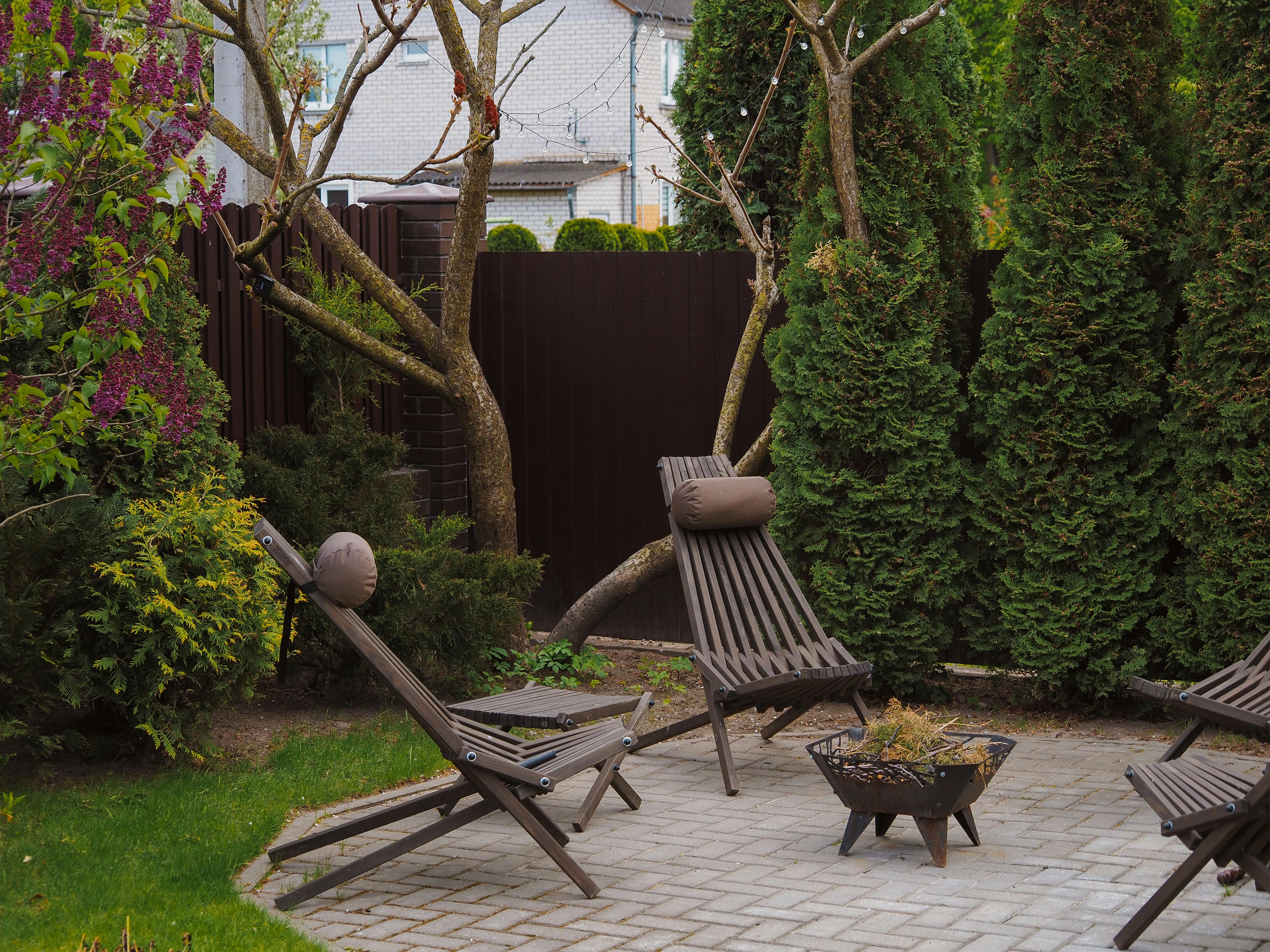
Design patios or decks for relaxation and entertainment. Use durable materials like stone or composite decking that withstand the Tennessee weather.
Garden Zones
Create garden beds for vegetables, herbs, or ornamental plants. Raised beds can improve drainage and make gardening more accessible.
Pathways and Walkways
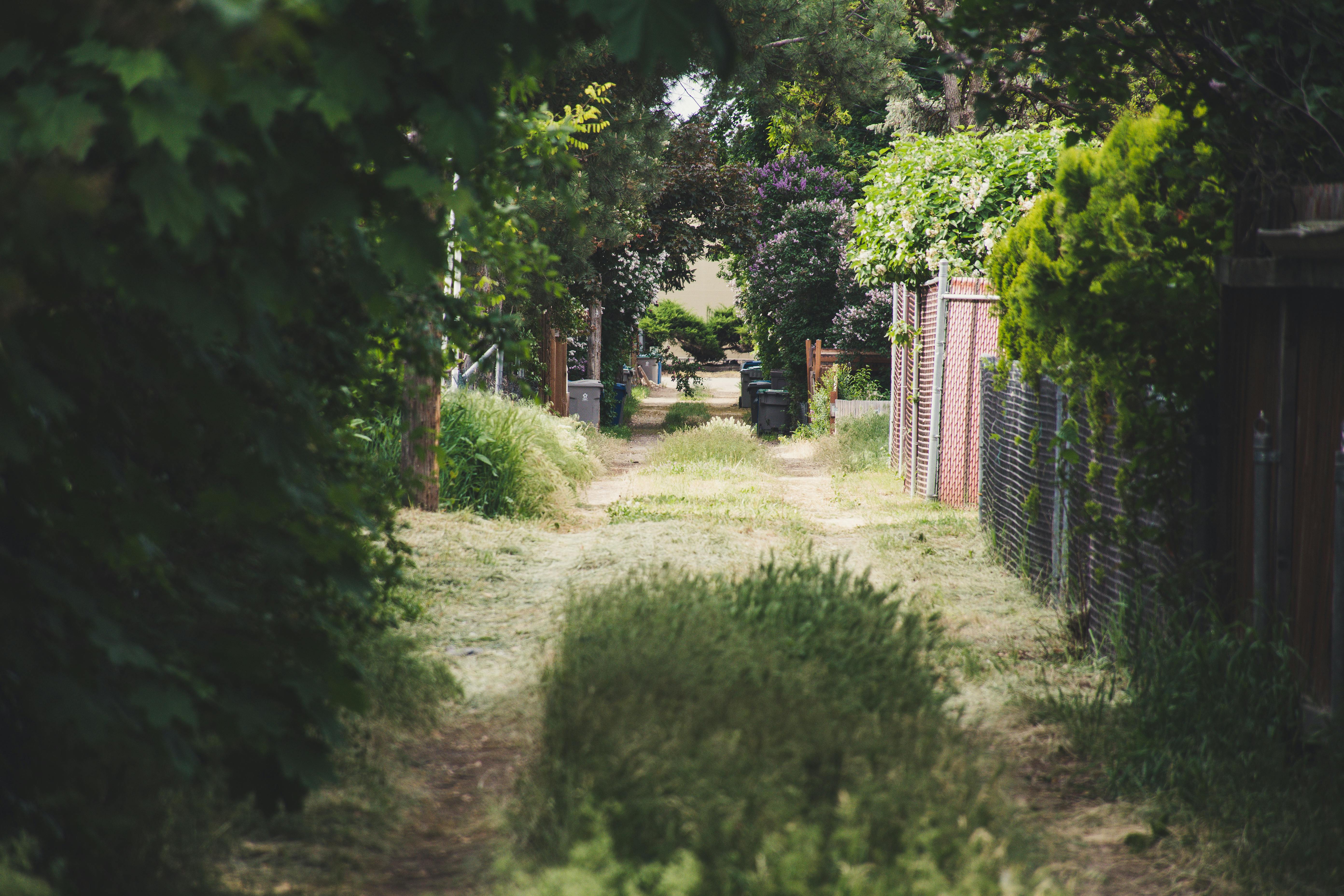
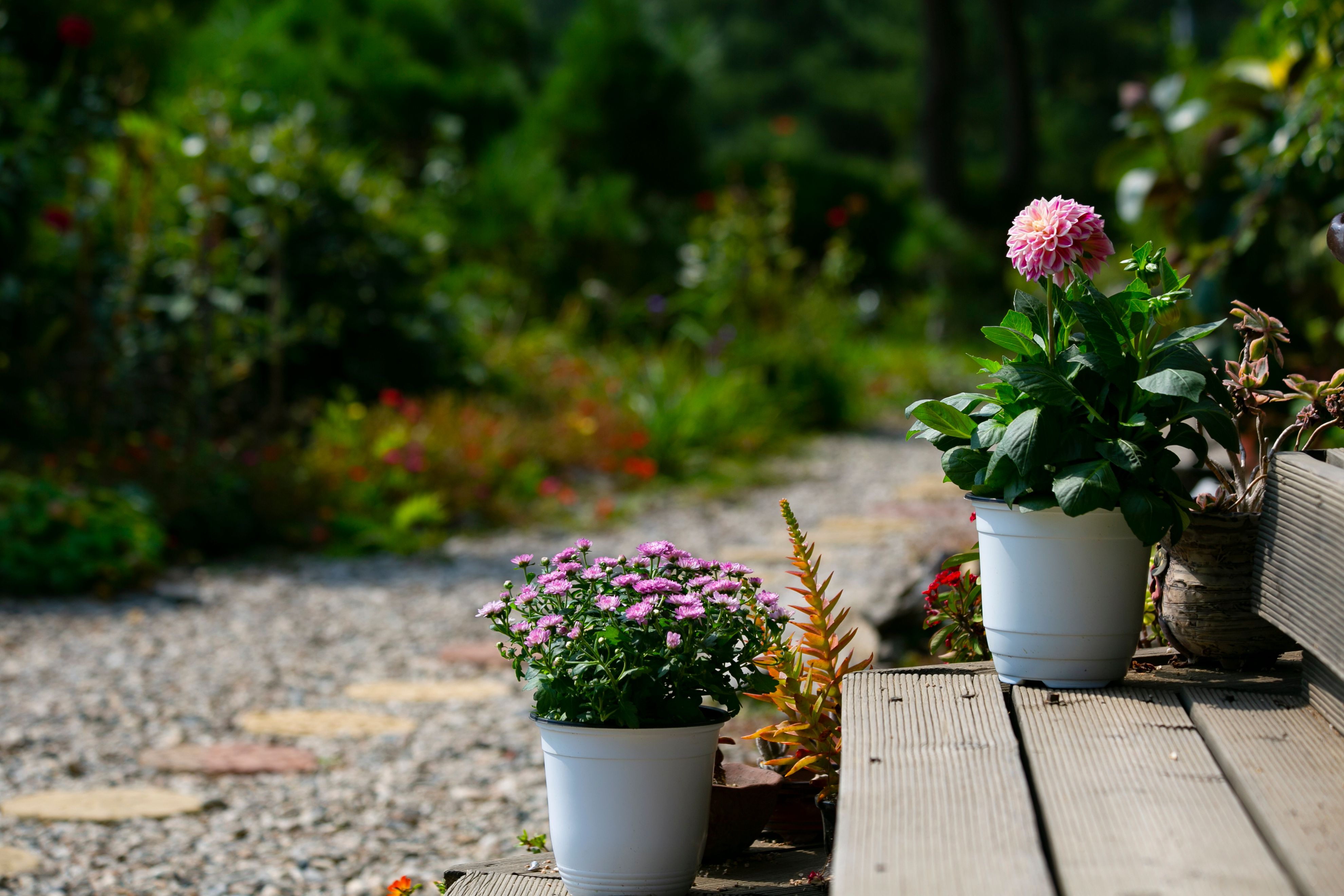
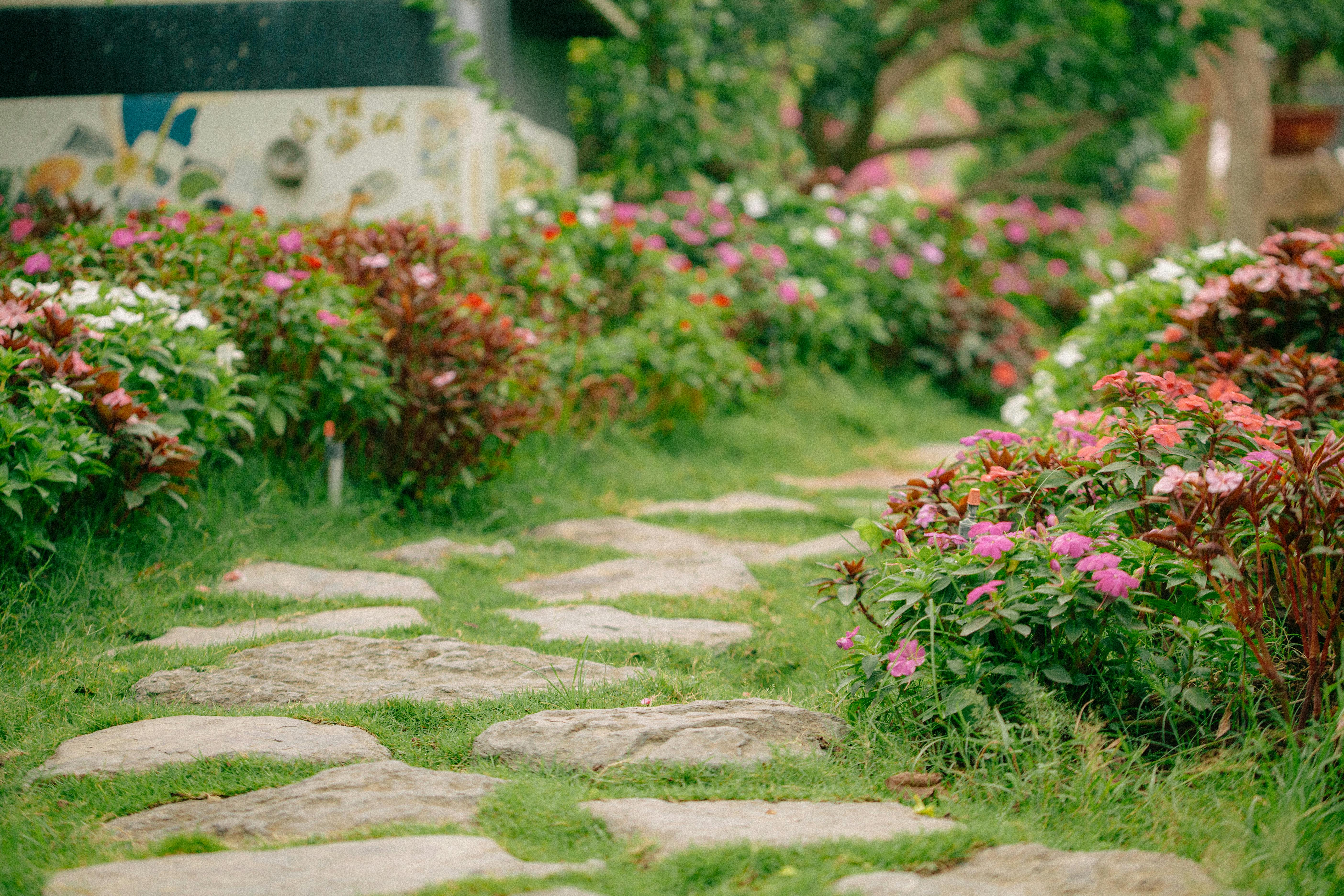
Incorporate paths to connect different areas of your landscape. Use gravel, pavers, or mulch to create durable and visually appealing walkways.
Maintaining Your Landscape
Once your landscape is designed and installed, maintaining it is crucial to preserving its beauty and functionality. Regular tasks include:
- Watering: Implement an efficient irrigation system to conserve water.
- Pruning: Trim plants to encourage growth and remove dead material.
- Weeding: Keep your beds and pathways free from unwanted plants.
- Soil Care: Test soil and amend as needed to provide nutrients for your plants.
When to Consider Professional Help
If the scope of your project feels overwhelming, or you wish to achieve a specific landscape aesthetic, consider hiring a professional landscape designer like Rolling Stone Landscape Creations. Professionals bring expertise and experience, ensuring your project is completed efficiently and to a high standard.
Conclusion
Landscape design in Columbia, TN, offers the opportunity to create a beautiful and functional outdoor space that suits your lifestyle and preferences. By understanding the basics, setting clear goals, and choosing the right plants, you can embark on a successful landscape project. Remember, whether you decide to DIY or seek professional assistance, the result should reflect your vision and enhance your enjoyment of your home environment.