Introduction to Landscape Design
Embarking on a landscape design project can be a rewarding journey, especially for beginners in Columbia, TN. Whether you're aiming to create a tranquil garden retreat or a vibrant outdoor entertainment space, understanding the basics of landscape design is crucial. This guide will walk you through the fundamental steps and considerations to transform your outdoor space into a personalized paradise.
Understanding the Basics of Landscape Design
Before diving into the design process, it's important to grasp the basic principles of landscape design. These principles will help ensure your outdoor space is both functional and aesthetically pleasing.
1. Balance and Symmetry
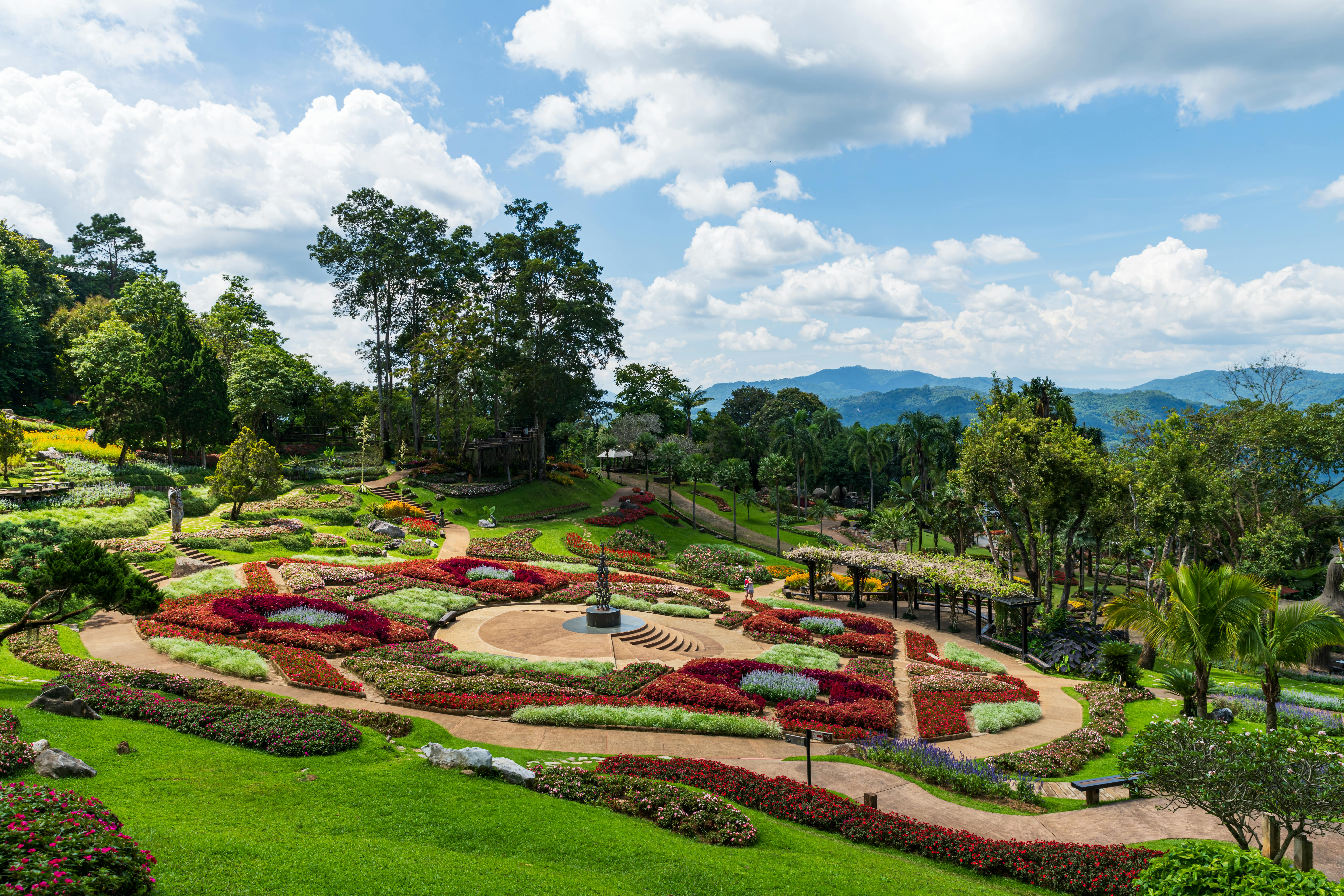
Balance refers to the distribution of visual weight within your landscape. It can be symmetrical, where elements mirror each other on either side of a central axis, or asymmetrical, where balance is achieved through differing but visually equal elements.
2. Focal Points
A focal point is a central feature that draws attention and anchors the design. This could be a water feature, a statue, or a tree. Focal points help guide the viewer's eye and provide a sense of order.
3. Unity and Harmony
Unity ensures all elements of the landscape work together to create a cohesive look. This can be achieved through consistent use of colors, textures, and materials.
Steps to Begin Your Landscape Design
1. Assess Your Space
Start by assessing your current outdoor space. Consider the size, shape, and existing features like trees or slopes. Take note of sun and shade patterns, as they will influence plant selection.
2. Define Your Needs and Preferences
Determine how you want to use your space. Do you need a play area for children, a garden for relaxation, or a patio for entertaining? List your preferences and prioritize them.
3. Set a Budget
Establishing a budget is crucial to guide your decisions and prevent overspending. Consider costs for materials, plants, labor, and maintenance.
Choosing the Right Plants and Materials
Columbia, TN, offers a diverse climate for various plant species. Selecting the right plants and materials is essential for a sustainable and beautiful landscape.
1. Native Plants
Opting for native plants ensures your garden will thrive with minimal maintenance. Native plants are adapted to local soil and climate conditions, making them a resilient choice.
2. Sustainable Materials
Choose materials that are environmentally friendly and durable, such as reclaimed wood, natural stone, or permeable pavers, which help manage stormwater runoff.
Designing for Maintenance and Sustainability
Low-maintenance landscapes are not only easier to manage but also more sustainable.
1. Efficient Irrigation Systems
Consider installing an efficient irrigation system, like drip irrigation, to conserve water and ensure your plants receive adequate moisture.
2. Mulching
Mulch helps retain soil moisture, suppress weeds, and enhance the soil's fertility. Use organic mulches such as bark or wood chips.
Bringing It All Together
With a clear understanding of landscape design principles, a well-defined plan, and carefully chosen plants and materials, you're well on your way to creating a stunning outdoor space. Remember, landscape design is a process that evolves over time. Be patient and enjoy the transformation as your vision comes to life.
Partnering with Professionals
While it's rewarding to tackle landscape design as a beginner, partnering with professionals like Rolling Stone Landscape Creations can elevate your project. With expertise in designing tailored landscapes in Columbia, TN, our team can help bring your vision to life, ensuring functionality and beauty in every corner.
Conclusion
Landscape design is an exciting endeavor that enhances the beauty and functionality of your outdoor space. By following this beginner's guide, you'll be equipped with the knowledge to start your project on the right foot. Whether you choose to DIY or enlist the help of professionals, the key is to create a space that reflects your unique style and meets your needs.